Mold Remediation in Lake Dallas, TX
Mold is the aftermath of water that sat too long. Crews find the source, contain the area, remove and treat it, and verify it is gone, the right way.
(940) 400-1352Tap to call the 24/7 Lake Dallas line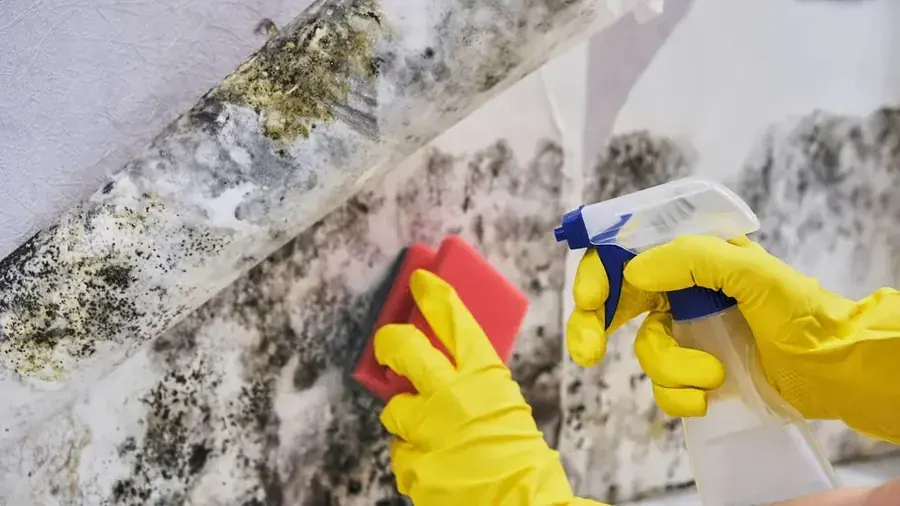
Mold is never the first problem, it is what happens when water is left to sit. A slow slab leak, a roof stain no one dried, a damp seep along a wall, and in the North Texas humidity mold can take hold within 24 to 48 hours. The local crews treat it the right way: find and fix the moisture source first, then contain, remove, and verify. The remediation follows Texas state rules for how the work is done.
How mold remediation is handled in Lake Dallas
Call and dispatch
The restoration team answers 24/7, and the nearest Lake Dallas crew heads out with pumps, air movers, and moisture meters.
Assess and stop it
The crew finds the source and the full reach of the water, including what soaked into the slab, subfloor, and wall cavities.
Extract and dry
The extraction crew pulls the standing water, then runs air movers and dehumidifiers to a verified dry standard, not just the surface.
Verify and document
Moisture readings are logged until the structure is dry, then the loss is documented with the photos and daily readings an adjuster needs.
How mold starts here
The lake area is humid for much of the year, which is exactly what mold needs. It shows up where water lingered:
- Behind a wall after a slab leak or an appliance drip that was never dried
- In an attic or ceiling after a roof leak
- Along the base of a wall after foundation seepage
- In a closed, humid room where indoor humidity stays high
Because it is always downstream of a water problem, restoration crews position mold as the aftermath, not a standalone service you should ever need on its own.
The remediation process
Source first, then a contained, verified removal:
- Find and stop the moisture source, since mold returns if the water does
- Contain the area with poly sheeting and negative air so spores do not spread
- Remove affected porous materials and treat surfaces, capturing debris with HEPA filtration
- Dry the space to a verified standard, then confirm the work before the crews close it up
Seeing or smelling mold after a leak? Call and a crew is on the way across the lake area to find the source and handle it the right way.
☎ Call (940) 400-1352Health, verification, and cost
The crews do not make health claims, but they take the work seriously and verify it before calling it done. Cost depends on how far the mold spread and how much material has to come out, from a small contained area to a whole room. Crews document the loss and bill your carrier for covered work, and if the mold traces back to a sudden covered leak, that history matters for the claim.
Why the Lewisville Lake area calls the local pros first
Rapid local response
The response team answers 24/7, and the nearest crew heads out the moment you call, day or night, across the Lewisville Lake area.
IICRC S500 drying standard
Trained crews with truck-mounted extractors, air movers, and moisture meters dry to a verified standard, not a mop and a fan.
Claim-ready documentation
The loss is documented with photos and daily moisture readings, the paperwork an adjuster needs to move a claim.
Local water damage experts
Slab leaks, storm runoff, expansive clay, and hail-driven roof leaks. The local pros know how water moves in North Texas homes.
Across Lake Dallas and the Lewisville Lake area
Rapid Recovery Restoration covers Lake Dallas and south Denton County, day or night.
Based in Lake Dallas, the local crews cover the whole Lewisville Lake area and the I-35 corridor, day or night, with rapid response across south Denton County.
Coverage includes Lake Dallas, Corinth, Hickory Creek, Shady Shores, Highland Village, Lewisville, The Colony, Little Elm, Flower Mound, and Denton.
See every neighborhood and ZIP covered ›Related restoration services
Lake Dallas water damage questions, answered
What is the difference between mold removal and remediation?
Removal is taking out what you can see. Remediation is the full process: fixing the moisture source, containing the area, removing the growth safely, drying, and verifying it is gone so it does not return.
Why does mold grow so fast here?
North Texas is humid for much of the year, and mold only needs moisture and a day or two. Water left to sit after a leak is the trigger almost every time.
Is mold dangerous?
The local crews do not make health claims, but mold is a problem worth handling properly. Restoration crews contain the work and use protective gear and HEPA filtration to keep spores from spreading during removal.
What actually stops mold for good?
Fixing the water source and removing the growth, not spraying the surface. If the moisture comes back, so does the mold, which is why the crews start with the source.
Should I stay home during removal?
Often you can stay, since local water damage pros contain the work area and run negative air. If a large area is involved crews will tell you plainly whether a room needs to be closed off.
What does proper mold remediation involve?
Fixing the moisture source first, then containing the area, removing the growth safely with HEPA filtration, drying to a verified standard, and verifying the work. Texas sets rules for how remediation is contained, performed, and verified, and the crews follow them.
A local Lake Dallas crew is standing by
Water sitting means damage spreading. Call Rapid Recovery Restoration and a Lake Dallas crew heads out across the Lewisville Lake area, day or night.
(940) 400-1352Call now, a local crew picks up day or night