Storm and Flood Damage Cleanup in Lake Dallas, TX
North Texas storms and Lewisville Lake runoff push water inside fast. The local crews extract, dry, and document the loss for your claim.
(940) 400-1352Tap to call the 24/7 Lake Dallas line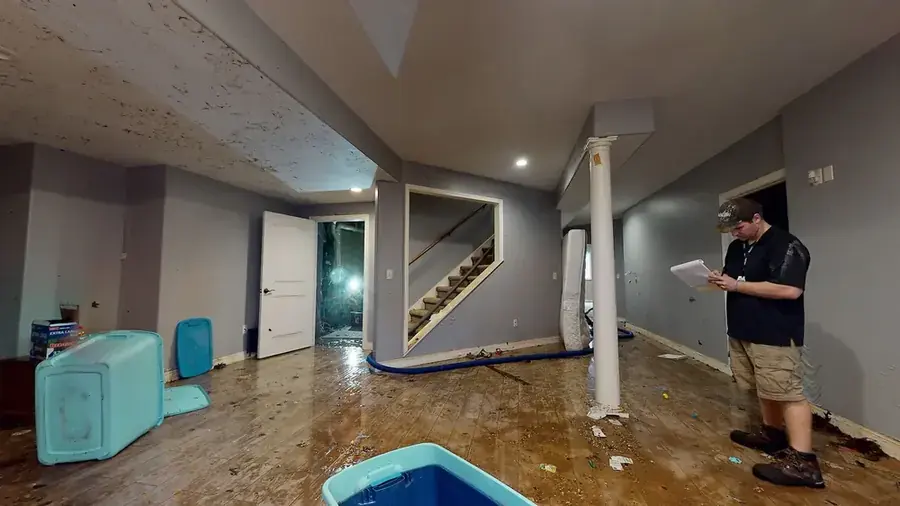
North Texas storms do not build slowly. A line of thunderstorms can stall over the lake and drop several inches in an hour, and low or lakeside lots take on the runoff faster than the yard drains can move it. When storm water gets inside, it carries mud and debris and often crosses into grey or black water, so it needs to come out fast and be handled safely.
How storm and flood damage cleanup is handled in Lake Dallas
Call and dispatch
The restoration team answers 24/7, and the nearest Lake Dallas crew heads out with pumps, air movers, and moisture meters.
Assess and stop it
The crew finds the source and the full reach of the water, including what soaked into the slab, subfloor, and wall cavities.
Extract and dry
The extraction crew pulls the standing water, then runs air movers and dehumidifiers to a verified dry standard, not just the surface.
Verify and document
Moisture readings are logged until the structure is dry, then the loss is documented with the photos and daily readings an adjuster needs.
The water Lake Dallas actually gets
This is flash flooding and yard runoff, not a slow river rise. It shows up in a few predictable ways:
- Runoff sheeting off a saturated yard and under a back door or low threshold
- Water pushing into a garage or the lowest room on the lot
- Overwhelmed gutters and downspouts dumping against the foundation
- Wind-driven rain forced through the roof, which becomes a roof and ceiling leak
Because storm water can be contaminated, restoration crews treat it as at least grey water and disinfect anything it touched.
Storm water in the house? Get everyone off the wet floor and call, and a crew is on the way across the lake area to extract, dry, and document.
☎ Call (940) 400-1352The storm and flood response
The crews move fast on the water and careful on what it left behind:
- Extract standing water with pumps and truck-mounted extractors, then remove mud and debris
- Pull soaked carpet, pad, and other porous materials that cannot be saved
- Clean and disinfect the surfaces the storm water reached
- Dry the slab, walls, and cavities to a verified standard, then document every step for your claim
Once the water is out the work becomes water extraction and structural drying, and if a drain surcharged during the storm it may cross into sewage cleanup.
Know the risk before the next storm
You can check your flood risk on the FEMA Flood Map Service Center and follow watches and warnings from the National Weather Service in Fort Worth. Photograph the damage before cleanup starts so your claim is documented.
Working with your storm claim
Storm and flood coverage varies, and rising surface water from outside is sometimes handled differently from wind-driven or plumbing water. Local water damage pros document the source and the loss the way an adjuster needs it and bill your carrier directly for covered work, so you get a straight answer early instead of a surprise later.
Why the Lewisville Lake area calls the local pros first
Rapid local response
The response team answers 24/7, and the nearest crew heads out the moment you call, day or night, across the Lewisville Lake area.
IICRC S500 drying standard
Trained crews with truck-mounted extractors, air movers, and moisture meters dry to a verified standard, not a mop and a fan.
Claim-ready documentation
The loss is documented with photos and daily moisture readings, the paperwork an adjuster needs to move a claim.
Local water damage experts
Slab leaks, storm runoff, expansive clay, and hail-driven roof leaks. The local pros know how water moves in North Texas homes.
Across Lake Dallas and the Lewisville Lake area
Rapid Recovery Restoration covers Lake Dallas and south Denton County, day or night.
Based in Lake Dallas, the local crews cover the whole Lewisville Lake area and the I-35 corridor, day or night, with rapid response across south Denton County.
Coverage includes Lake Dallas, Corinth, Hickory Creek, Shady Shores, Highland Village, Lewisville, The Colony, Little Elm, Flower Mound, and Denton.
See every neighborhood and ZIP covered ›Related restoration services
Lake Dallas water damage questions, answered
A storm flooded my home, can you help now?
Yes. Crews answer 24/7 and reach most of the Lewisville Lake area to extract the water, remove what is ruined, and start drying before it wicks into the structure.
Does insurance cover storm or flood damage?
It depends on the source. Wind-driven rain and plumbing water are usually covered, while rising surface water may need separate flood coverage. The local crews document the source and loss and bill your carrier for covered work.
Is storm water dangerous to clean up myself?
It can be. Storm and flood water often carries mud, bacteria, and whatever it washed over, so restoration crews treat it as at least grey water, disinfect, and use protective gear.
Can you clean up mud and debris too?
Yes. The crews remove the mud and debris the water left, pull soaked porous materials, and clean and disinfect the surfaces before drying.
How long does drying take after a flood?
Most homes dry in 3 to 5 days, longer for a saturated slab or wall cavity. North Texas humidity slows natural drying, so local water damage pros run commercial dehumidifiers and monitor to a dry standard.
What should I do during a flash flood warning?
Move to higher ground and stay out of moving water. Once it is safe, shut off power to flooded areas if you can do it safely, then call to get the cleanup started.
A local Lake Dallas crew is standing by
Water sitting means damage spreading. Call Rapid Recovery Restoration and a Lake Dallas crew heads out across the Lewisville Lake area, day or night.
(940) 400-1352Call now, a local crew picks up day or night